
services - saas application development - security
Security built to the standard your customers expect.
Data protection and access control built to the standard your customers, and their compliance teams, expect from day one.
// start here
Tell us what you're building
Loading form…
Trusted by industry giants, enterprises, and startups









definition
What does SaaS security and compliance cover?
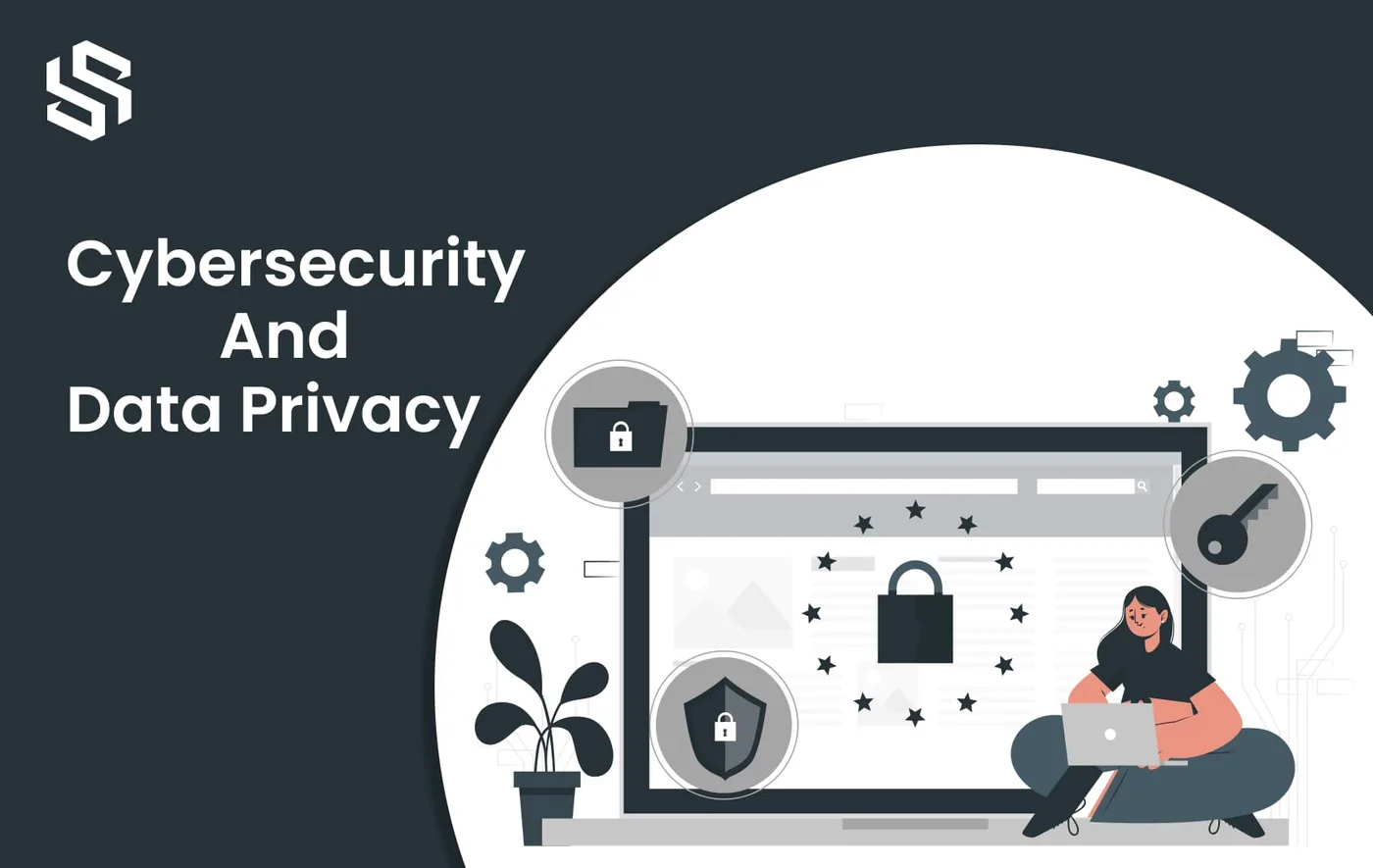
SaaS security and compliance covers data encryption, access control, audit logging, and alignment with the frameworks — SOC 2, GDPR, HIPAA — your customers and their own compliance teams require. It is designed into the architecture from the start rather than retrofitted when an enterprise deal asks for it.
key takeaways
The global SaaS market reached $464.7 billion in 2025 (Grand View Research, 2025) — a market that size means enterprise buyers routinely require a SOC 2 report before signing.
SOC 2 is the most commonly requested compliance framework in B2B SaaS procurement; GDPR and HIPAA apply depending on the data you handle and where your customers are based.
Role-based access control is a baseline expectation for enterprise buyers, not a premium feature — customers need to restrict sensitive data to specific roles on their own team.
Retrofitting security controls into an existing product is slower and riskier than designing them in from the architecture stage.
// security as architecture, not a launch checklist
Security decisions made at the architecture stage — encryption defaults, access control models, audit logging — are structurally cheaper than the same decisions made after launch, when they have to be layered onto existing data models and user flows without breaking what is already live. Treating compliance as a design input from the start, rather than a checklist run before a specific enterprise deal, is what makes a later SOC 2 audit straightforward instead of a scramble.
-- saas development, in numbers --
global SaaS market size in 2025, projected to grow at an 11.1% CAGR through 2033
src - Grand View Research, 2025of professional developers run their cloud infrastructure on AWS, ahead of Azure at 29.7%
src - Stack Overflow Developer Survey 2024projected size of the global software development market by 2031, growing at an 11.74% CAGR
src - Mordor Intelligence, 2025what's included - five
What security work actually covers.
Five controls built in, one goal: a product that passes procurement review without a scramble.
- 01
Data encryption at rest and in transit
Customer data encrypted by default, not as an add-on for enterprise customers who ask for it during procurement.
- 02
Role-based access control
Granular permissions so a customer's admin can control exactly what each of their users can see and do, down to the feature level.
- 03
Audit logging
A record of who did what and when, retrievable when a customer's compliance team or your own incident response needs it.
- 04
Compliance framework alignment
Architecture and process decisions mapped to the frameworks your customers care about — SOC 2, GDPR, HIPAA — rather than bolted on retroactively.
- 05
Vulnerability & dependency management
Regular scanning of dependencies and infrastructure for known vulnerabilities, patched on a defined cadence, not only after an incident.
method
From requirements to monitoring, four stages.
Every security engagement runs the same four stages: compliance requirements review, architecture and access design, build and harden, and ongoing monitoring after launch.
- 01
Compliance requirements review
// outcome
-> a clear read on which frameworks — SOC 2, GDPR, HIPAA, or others — your customers require
- 02
Architecture & access design
// outcome
-> encryption, access control, and audit logging designed into the product
- 03
Build & harden
// outcome
-> security controls implemented and tested against the requirements identified
- 04
Ongoing monitoring
// outcome
-> vulnerability scanning and patching on a defined cadence after launch
recent work
Built to pass procurement review.
clutch: 5.0/5 - google: 4.9/5
- transportation
Transportation and Fleet Management System
a multi-tenant platform giving fleets ranging from single vehicles to full operations centralized tools
read - case - ecommerce analytics
CLTV Management App for D2C Business
a SaaS-style analytics platform giving direct-to-consumer brands a single view of customer lifetime value
read - case
"Syndell's commitment to making a seamless software for us was impressive."
what to expect
What a security engagement looks like
Pricing is scoped against which compliance frameworks your customers require, not a flat security checklist rate. What you get: controls designed into the architecture, and a foundation that supports a formal audit later instead of a scramble.
the practice
Security work is built on the same SaaS architecture and multi-tenancy foundation, and pairs with custom SaaS development. See the complete SaaS application development practice.
frequently - asked
About SaaS security
and compliance.
01What compliance frameworks matter most for SaaS?
SOC 2 is the most commonly requested by B2B customers during procurement. GDPR applies if you handle EU resident data. HIPAA applies if you handle US health data. Which ones matter depends entirely on your customers and the data you handle, not a universal checklist.
02Do we need SOC 2 before we can sell to enterprise customers?
Often, yes — many enterprise procurement processes require a SOC 2 report before a contract can close. It is worth planning the underlying controls early even if you pursue formal certification later, since retrofitting controls into an existing product is slower than building them in.
03What is role-based access control and why does it matter?
It is the system that lets a customer's admin control exactly what each of their own users can see and do within your product. Enterprise buyers expect this as standard, since they need to restrict sensitive data to specific roles on their own team.
04How do you handle security after launch, not just during the build?
Through ongoing dependency and infrastructure vulnerability scanning on a defined cadence, patched proactively rather than reactively after an incident. Security is treated as an ongoing practice, not a one-time build milestone.
05Can you help us prepare for a SOC 2 audit?
Yes — we design the architecture and access controls to align with SOC 2 trust service criteria from the start, which is the technical foundation an auditor evaluates. The formal audit itself is run by a certified third party, which we help you prepare for.
-- next issue - your compliance requirements --
Build for the audit before it happens.
Tell us which frameworks your customers require — we'll tell you honestly what the architecture needs to support them.