
services - saas application development - architecture
Architecture that scales without a rebuild.
Tenant isolation, data partitioning, and scaling decisions made upfront, so growth does not force a rebuild later.
// start here
Tell us what you're building
Loading form…
Trusted by industry giants, enterprises, and startups








definition
What is SaaS multi-tenancy?
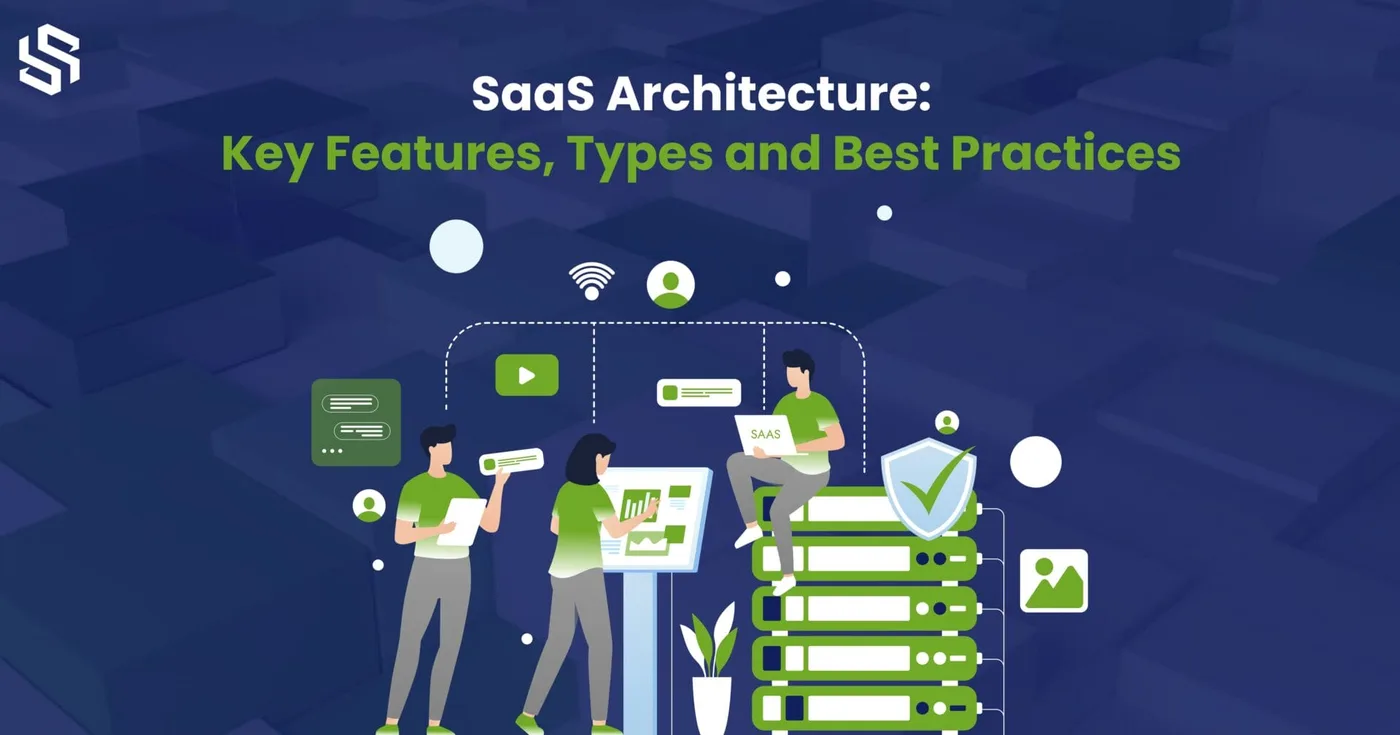
SaaS architecture and multi-tenancy is the set of decisions that let one application serve many customers — called tenants — while keeping each tenant's data, performance, and configuration isolated from every other. It is decided at the architecture level because retrofitting isolation into a single-tenant design later usually means a rebuild.
key takeaways
52.2% of professional developers run their cloud infrastructure on AWS (Stack Overflow Developer Survey 2024) — a platform choice that directly shapes which multi-tenancy patterns are available and how they scale.
The global SaaS market reached $464.7 billion in 2025 (Grand View Research, 2025) — at that scale, architecture that cannot isolate a misbehaving tenant becomes a support liability across your entire customer base.
A shared database with row-level isolation costs less to operate; database-per-tenant gives stronger guarantees some enterprise customers require. The right choice depends on your compliance needs, not a default preference.
A documented migration path from shared to dedicated infrastructure means a growing tenant does not force a rearchitecture of the whole product.
// why this is an architecture decision, not a config setting
Tenant isolation determined after launch is expensive to fix, because it usually means migrating live customer data between storage models without downtime. Deciding the tenancy model, partitioning strategy, and resource isolation approach before the first line of product code is written means the architecture supports your first customer and your thousandth on the same foundation.
-- saas development, in numbers --
global SaaS market size in 2025, projected to grow at an 11.1% CAGR through 2033
src - Grand View Research, 2025of professional developers run their cloud infrastructure on AWS, ahead of Azure at 29.7%
src - Stack Overflow Developer Survey 2024projected size of the global software development market by 2031, growing at an 11.74% CAGR
src - Mordor Intelligence, 2025what's included - five
What multi-tenant architecture actually covers.
Five decisions made upfront, one goal: growth that never forces a rebuild.
- 01
Tenancy model selection
Shared-database, database-per-tenant, or a hybrid, chosen against your isolation, compliance, and scale requirements, not a default.
- 02
Data partitioning strategy
Row-level security or schema separation designed so one tenant's data can never leak into another's, by construction, not by discipline.
- 03
Scalable resource isolation
Compute and database resources sized and isolated so one noisy tenant cannot degrade performance for everyone else.
- 04
Tenant-aware provisioning
Automated onboarding that spins up a new tenant's environment without manual setup for every new customer.
- 05
Migration path for scale
A documented path from shared to dedicated infrastructure for tenants that outgrow the shared model, without a full rebuild.
method
From requirements to load test, four stages.
Every architecture engagement runs the same four stages: requirements and compliance review, tenancy model design, build and provisioning automation, and load testing with handover.
- 01
Requirements & compliance review
// outcome
-> a clear read on isolation, compliance, and scale requirements driving the tenancy decision
- 02
Tenancy model design
// outcome
-> a selected architecture — shared, isolated, or hybrid — matched to those requirements
- 03
Build & provisioning automation
// outcome
-> the data layer and automated tenant provisioning built and tested
- 04
Load testing & handover
// outcome
-> a verified architecture under realistic multi-tenant load, plus documentation for your team
recent work
Built to hold real scale.
clutch: 5.0/5 - google: 4.9/5
- transportation
Transportation and Fleet Management System
a multi-tenant platform giving fleets ranging from single vehicles to full operations centralized tools
read - case - real estate
Simple Key LLC
a multi-property management platform built for a real-estate and hospitality operator
read - case
"Syndell's commitment to making a seamless software for us was impressive."
what to expect
What an architecture engagement looks like
Pricing is scoped against your isolation, compliance, and scale requirements, not a flat rate for a generic setup. What you get: a tenancy model matched to your actual constraints, and a load-tested architecture before your first real customer hits it.
the practice
Architecture work underpins custom SaaS development and the security posture covered in SaaS security and compliance. See the complete SaaS application development practice.
frequently - asked
About multi-tenant
architecture.
01What is SaaS multi-tenancy?
Multi-tenancy is the architecture that lets one SaaS application serve many customers, called tenants, while keeping each tenant's data and configuration isolated from every other. It is the core scaling decision behind any SaaS product that plans to serve more than one customer.
02Shared database or database-per-tenant — which is right for us?
It depends on your compliance requirements and scale. A shared database with row-level isolation is cheaper to operate and scales well for most products. Database-per-tenant costs more per tenant but gives stronger isolation guarantees, which some enterprise or regulated customers require.
03Can we start with a simpler tenancy model and migrate later?
Yes, if the migration path is planned from the start. We document the boundaries between tenants clearly enough that moving from shared to isolated infrastructure for a specific tenant does not require rearchitecting the whole product.
04How do you prevent one tenant from affecting another's performance?
Through resource isolation at the compute and database layer — rate limiting, connection pooling per tenant, and monitoring that flags a noisy tenant before it degrades the shared environment.
05Does multi-tenancy affect how fast we can onboard new customers?
Done right, it speeds onboarding up — automated, tenant-aware provisioning means a new customer's environment spins up without manual setup. Done wrong, every new tenant becomes a manual configuration task.
-- next issue - your tenancy model --
Design for scale from day one.
Tell us your isolation and compliance requirements — we'll tell you honestly which tenancy model fits.